








The Department of Trade and Industry (DTI) in Basilan province is exploring the creation of an online platform to help weavers in Isabela City expand their market reach both locally and internationally.
“This initiative will allow us to showcase the brilliance of our local artisans and boost our cultural economy,” said DTI-Basilan Director Grace Aduca in an interview, adding that embracing new technology will enable them to develop fresh and innovative designs for the global market.
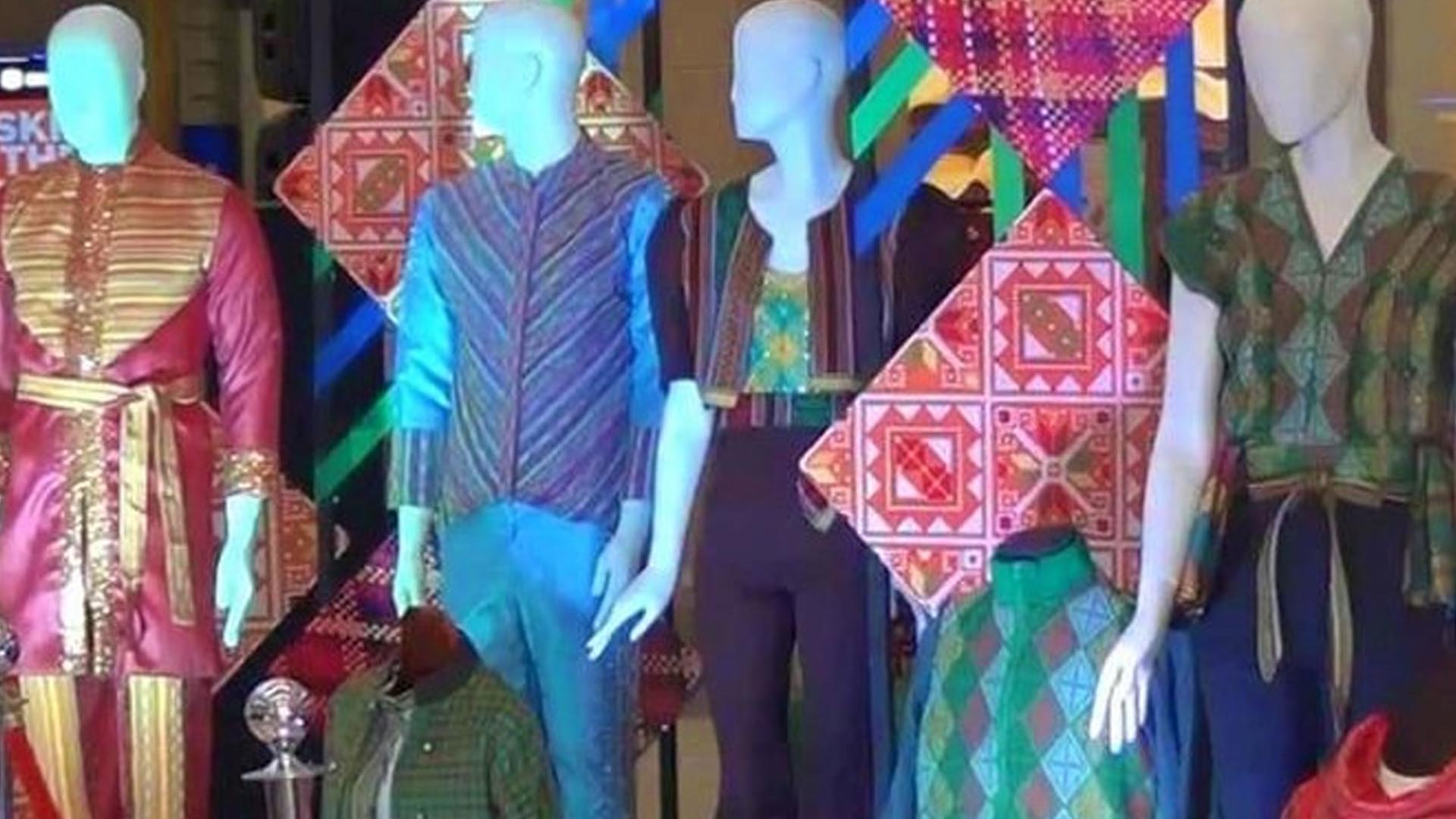
On Friday, the DTI-Basilan facilitated the launch of a three-day Ropa Rampa Cultural Fashion Exhibit in this city, featuring the artistry of various cultural communities and indigenous knowledge of Basilan residents.
The exhibit is part of the DTI’s Lunsod Lunsad initiative, which aims to foster socioeconomic development in Philippine cities by strengthening local creative potential.
The exhibit highlights two significant symbols of Basilan’s cultural heritage: the Tepo, an intricately hand-woven mat made of pandan leaves often used as a bed cover, and the Tennun, the traditional woven cloth of the Yakan people.
Both are currently displayed at Level 4 of SM City Mindpro.
During the opening program, Isabela City Mayor Sitti Djalia Turabin-Hataman said the intricate weaves represent the creativity and indigenous knowledge of Basilan residents, which have endured despite time and technological advancements.
“This is more than just a fashion exhibit; it is a testament to our history and the commitment to our future, a future where tradition thrives alongside progress,” she said.
She noted that the Tepo and Tennun are produced by seamstresses, members of women’s groups, and some men who have undergone livelihood training programs.
Hataman thanked the DTI for its support in making the event possible through the Lunsod Lunsad grant. (PNA)